The Rise of the "Generation Translators"
Imagine a work environment where Baby Boomers, Generation X, Millennials and Generation Z have to collaborate on a daily basis. The clash of expectations, languages and values can turn meetings into minefields. This is where an increasingly essential figure comes in: the "translator of generations", a professional mediator who specializes in turning cultural conflicts into opportunities for innovation.
But how exactly do these professionals work? Why do global companies like Microsoft and IBMAre they investing in this solution? And what can you, as a leader or employee, learn from this trend?
We'll explore everything from the roots of this phenomenon to practical strategies to apply in your day-to-day life.
The Generational Shock in the Labor Market
The first question is inevitable: why now? The answer lies in the unprecedented coexistence of four active generations in the same corporate space. While Baby Boomers (born between 1946 and 1964) value hierarchy and stability, Generation Z (post-1997) prioritizes flexibility and purpose.
A study by PwC reveals that 58% leaders face daily conflicts due to generational differences. A classic example? Feedback. For a Generation X professional, direct criticism is normal. A Millennial, on the other hand, may interpret the same approach as demotivating.
And it's not just about communication. Processes, technologies and even success metrics are seen in radically different ways. While some generations prefer formal emails, others adopt instant messaging with emojis. What seems trivial can generate noise that can jeopardize entire projects.
Here, the translator of generations acts as a "cultural interpreter". He not only explains the motivations behind each behavior, but also proposes practical adjustments. For example, creating internal communication manuals that respect both the objectivity of the most experienced and the agility of the youngest.
The Role of the Mediator: Beyond Translation
You may be thinking: "Isn't that just modernized HR?" In fact, the role goes further. While traditional HR focuses on general policies, the mediator acts in everyday lifeidentifying specific tensions and intervening in real time.
A real case: in a multinational technology company, a team with different age groups was at a standstill when discussing deadlines. The older members advocated rigid schedules; the younger ones, adaptable sprints. The mediator proposed a "hybrid system"clear goals, but with flexibility in execution. The result? Productivity increased by 30% in six months.
Tools such as DISC and MBTI (free MBTI test) are often used to map profiles. But the difference lies in the practical application. For example:
- For Baby Boomers: Show concrete data on how new methodologies impact results.
- For Millennials: Link tasks to social objectives (e.g. "This project will reduce carbon emissions").
The mediator also trains leaders to avoiding common pitfallsThese include generalizations ("young people are scattered") or resistance to change ("we've always done it this way").
How Companies Are Implementing This Solution
Large corporations already have structured programs. A Salesforcefor example, created a "Multigenerational Committee"with representatives from each age group. They evaluate everything from home office policies to the design of physical spaces.
Startups, on the other hand, opt for one-off consultancies. A Brazilian fintech company hired mediators to revamp its mentoring program. Previously, senior managers complained that the mentees "weren't committed". It turned out that the young people needed shorter goals and immediate feedback. The solution? Mentoring in the form of sprintswith two-week cycles.
Steps to implement in your company:
1. Diagnosis: Anonymous surveys to identify points of friction.
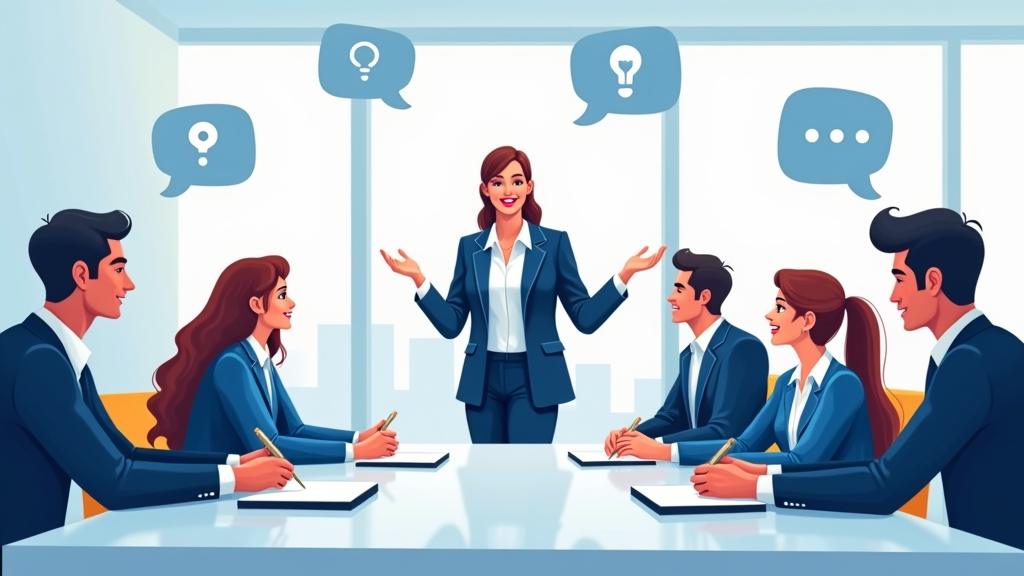
2. Workshops: Dynamics that simulate conflicts (e.g. a Baby Boomer and a Gen Z must solve a problem together).
3. Follow-up: Post-intervention engagement metrics.
Tangible Benefits for Organizations
In addition to reducing turnover, companies report:
- Accelerated innovation: Different teams generate 42% more disruptive ideas (Source: McKinsey).
- Organizational climate: 67% of employees feel more valued when their particularities are recognized.
- Attracting talent: Generation Z prefers employers who demonstrate generational inclusion.
A European bank turned a conflict over working hours into a competitive advantage. The younger employees wanted a home office; the older ones wanted a fixed structure. Mediation created a model “3-2-2”3 remote days, 2 in the office, 2 flexible. Satisfaction rose in all age groups.
Challenges and How to Overcome Them
It's not all flowers. The main barrier is the initial skepticism ("That's a fad"). To overcome resistance:
- Hard data: Show cases like EYwhich increased retention by 25% after generational training.
- Leaders as ambassadors: When a CEO joins in, the change gains credibility.
- Patience: Culture doesn't turn into weeks.
Another obstacle is poorly trained mediators. The ideal training combines psychology, business and practical experience.
How to Become a Translator of Generations
If you identify with this career, know that there are already specialized certificationssuch as the one offered by Generations at Work. Essential skills:
- Active listening: Understanding the unsaid.
- Adaptability: Each company requires unique approaches.
- Facilitation: Conduct debates without taking sides.
HR professionals, coaches and even teachers are moving into this area. The market is promising: a consultancy charges between R$ 5,000 and R$ 20,000 per project.
The Future of Multigenerational Collaboration
The trend is that more and more functions require this mediation. With AI, tools such as "generational bias analyzers" in virtual meetings. But nothing replaces the human.
What about you? Have you ever witnessed a generational conflict at work? How about suggesting a mediator in your company? Start small: organize a virtual café where each generation shares its vision of "productivity". The insights may surprise you!
To find out more, download the SHRM about generations at work. And remember: the best team isn't the youngest or the most experienced - it's the one that knows how to combine the two.